DUCATI 998 /S · 02->04
Change vehicle
1 products
Ducati 998 /S motorcycle
The Ducati 998 / S closes the classic superbike twin chapter before the 999 era fully took over: a roughly 998 cc L-twin with S-spec escalation, single-sided swingarm presence, and the clipped posture that defined millennial Ducati superbikes. It remains a landmark road-legal race-bred twin.
Owners research 998 / S for classic superbike ownership and Evo kit matching on 2002–2004 platforms.
Engine, chassis, and what riders care about
When people look up the 998 /S engine and chassis, they usually want real-world behavior: throttle response, fueling with common upgrades, and how the motorcycle feels in its intended use. The details below match how this model is listed in our Rapid Bike fitment catalog.
Engine family: Liquid-cooled Desmoquattro / Testastretta-era L-twin (Approx. 998 cc; fitment listing: 998 cc)
Motorcycle type: Sport / superbike motorcycle
Strengths: Classic liter-class Ducati twin pull; S-spec hardware escalation; Iconic early-2000s superbike stance
Common rider goals: Cleaner tip-in on period injection; Mixture quality after exhaust changes; Evo maps for road and track days
Model years on this page: 2002–2004 (02→04)
In our Rapid Bike catalog the Ducati 998 /S appears in the following generation window(s): 2002–2004 (02→04). Even when the marketing name stays the same, wiring looms, connectors, and kit part numbers can change between windows. Always select the year / version pill that matches your motorcycle before choosing a module.
Rapid Bike kits for the Ducati 998 /S
Rapid Bike add-on ECUs install beside the stock ECU. They do not replace the OEM control unit. On a motorcycle like the 998 /S, that approach is ideal when you want better fueling control, more consistent throttle feel, or additional map options without a full standalone ECU project.
Rapid Bike modules help refine how the motorcycle delivers its power: mixture quality in closed loop, injection map behavior, and on higher kits ignition-related control. That matters when altitude, temperature, load, or aftermarket exhaust / intake setups change demand.
Which Rapid Bike products fit this motorcycle
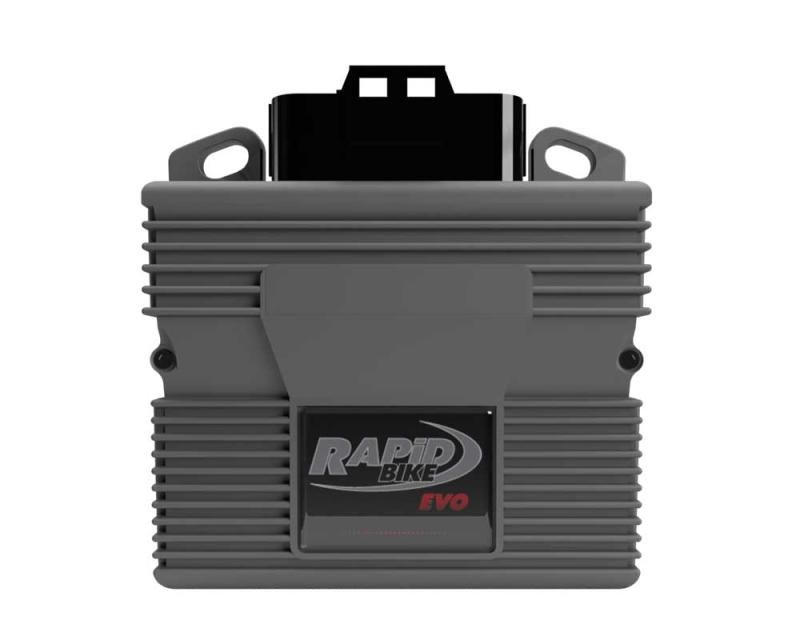
Years 02→04: Rapid Bike Evo
After you pick your year range, open the matching kit product and confirm the Item Kit and Wiring codes for your exact window. Add to cart with brand, model, and year selected so the order carries the correct fitment details.
Ducati 998 /S — motorcycle identification
Field | Detail |
|---|---|
Brand | Ducati |
Model | 998 /S |
Also searched as | Ducati 998, 998 S, 998 / S Superbike |
Engine | Liquid-cooled Desmoquattro / Testastretta-era L-twin |
Displacement (nominal) | Approx. 998 cc |
Displacement (fitment listing) | 998 cc |
Segment | Sport / superbike motorcycle |
Year windows in this shop | 02→04 |
Motorcycle technical context for owners and searchers
The Ducati 998 /S is researched for engine character, real-world manners, and generation-specific fitment. Riders typically look for:
Engine manners: 998 twin tip-in on cold vs hot starts
S variants: fueling priorities vs base models
Exhaust bolt-ons: period cans and AFR drift
Fitment years: 2002–2004 lists Evo
For 2002–2004 998 / S bikes, Rapid Bike Evo refines mixture and throttle feel while the OEM ECU stays primary.
Rapid Bike fitment matrix for this model
Year / version | Compatible Rapid Bike products | Notes |
|---|---|---|
02→04 | Evo | Evo coverage listed |
Rapid Bike module details (matched to this motorcycle)
Rapid Bike Evo — injection map management, real-time lambda control, and self-adaptive fueling. The balanced street / travel option where listed.
Signals and features that matter on this motorcycle
Injection (Inj): multipoint fuel management relative to the stock strategy
Self Adapt: adaptive injection via the stock O2 pathway (module dependent)
O2 modulation: closed-loop mixture quality under changing load
Install and validation checklist
Confirm your motorcycle year against the 02→04 pill on this page.
Open the chosen Rapid Bike product and verify Item Kit + Wiring codes for that year window.
Install using the kit manual; keep connectors clean and route the loom away from heat and moving parts.
Validate on a controlled ride: idle, low-gear tip-in, mid-range roll-on, and steady cruise in your typical use.
If you change exhaust, intake, or regularly ride at very different altitudes, reassess maps / adaptive behavior instead of assuming the first setup stays ideal forever.