
Vespa
Fitment
Vespa
Change brand, model or year
Step 1
Select your model
7 models — sorted by engine size
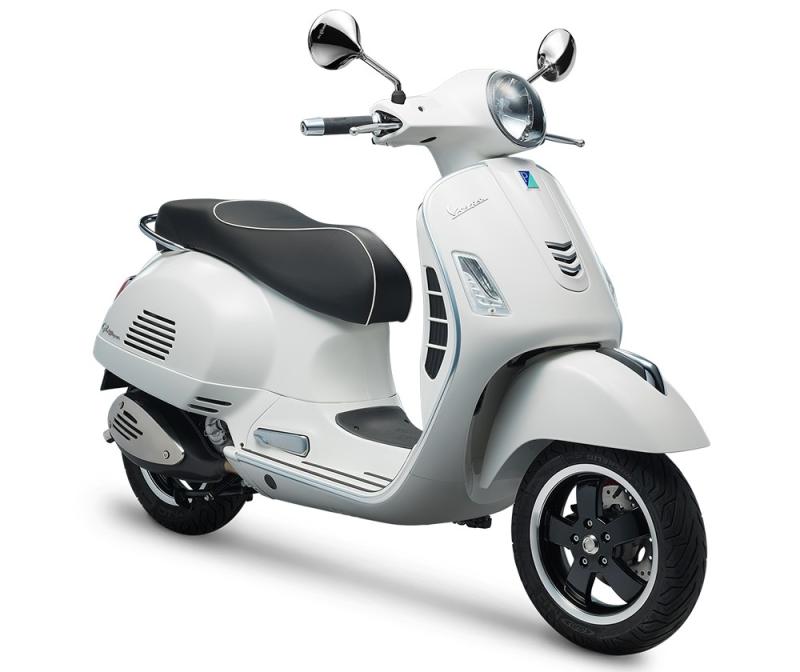
all models 300 - e5
310 cc 21->23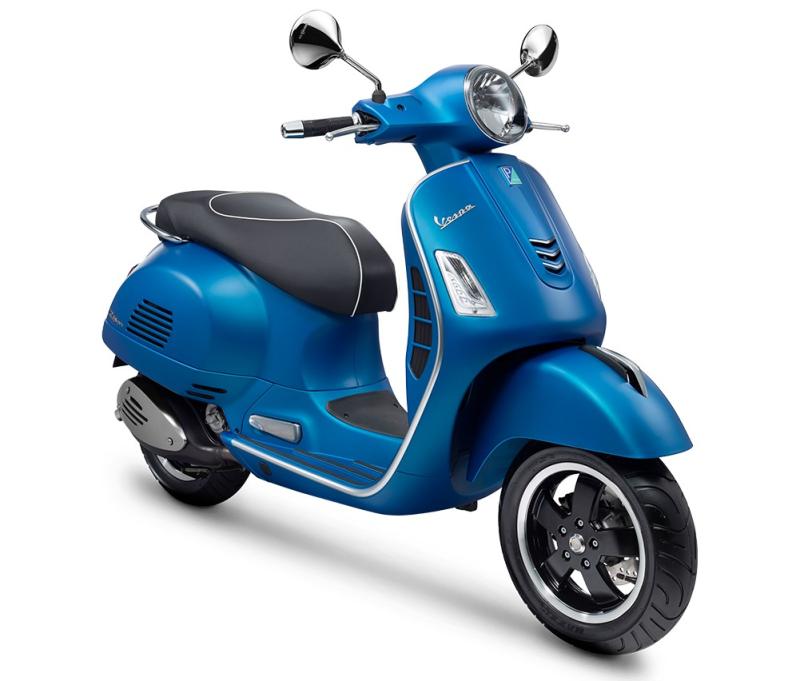
GTS 300 - e4
300 cc 17->20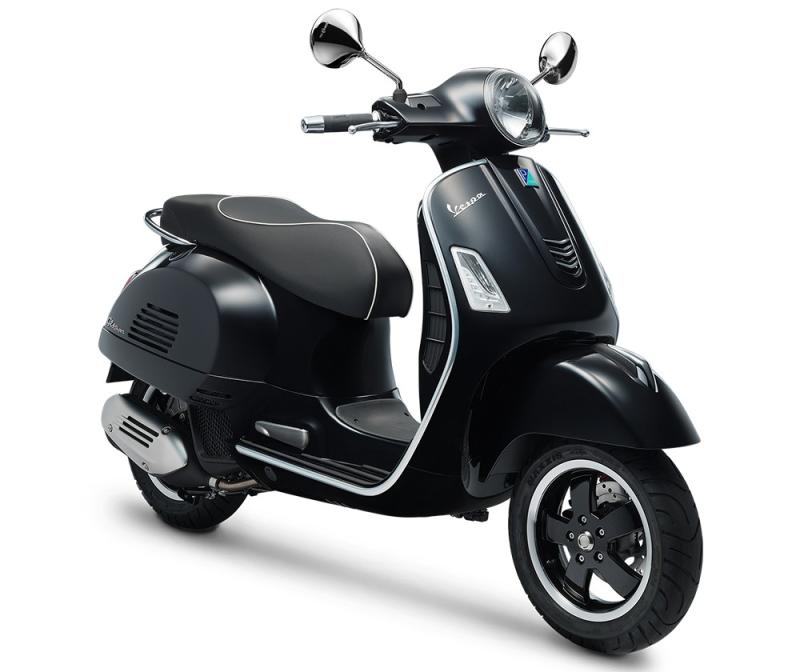
GTS 250 / GTV
250 cc 05->12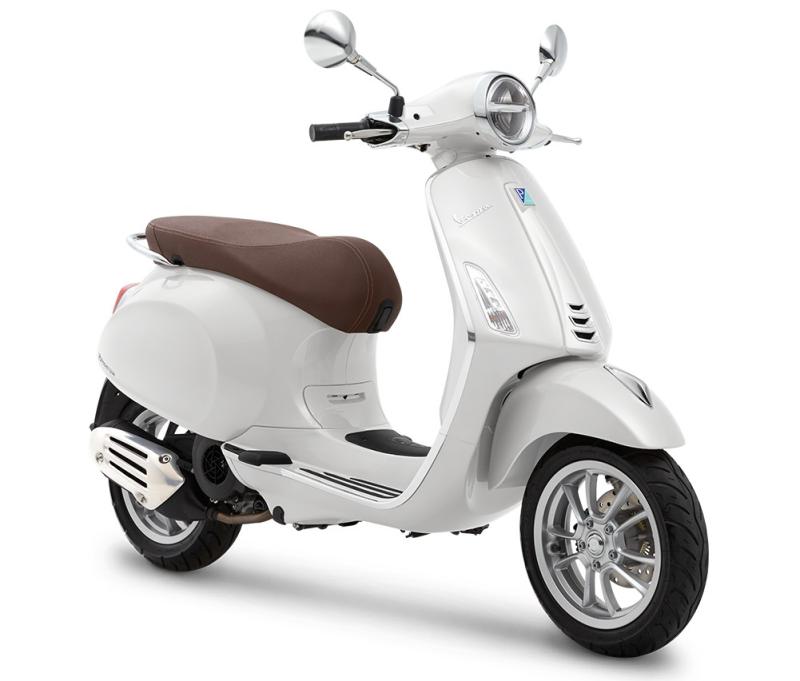
all models 150 - e4
151 cc 17->20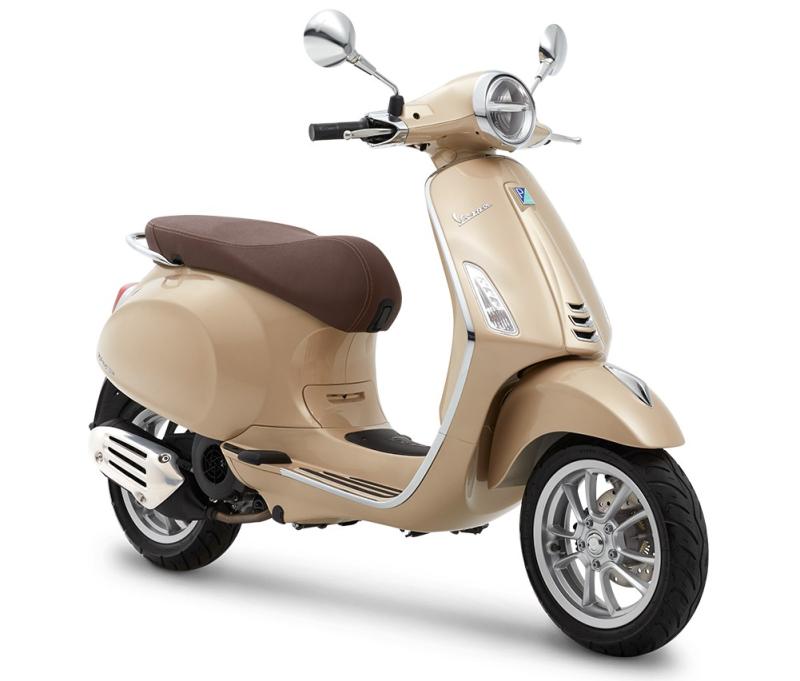
all models 150 - e5
151 cc 21->23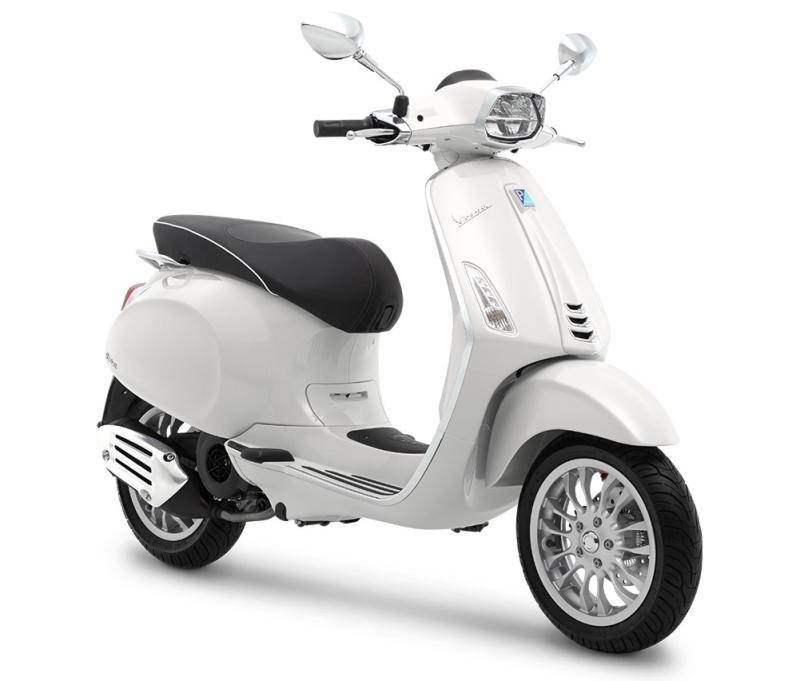
all models 125 - e4
126 cc 17->20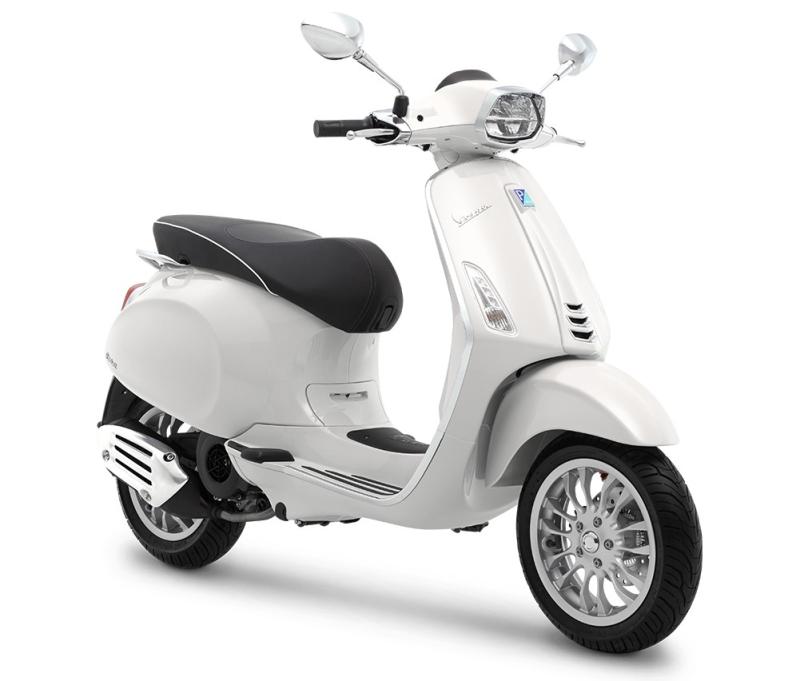
all models 125 - e5
126 cc 21->23No models match that search.
Vespa scooters — brand overview
Vespa is more than a familiar scooter badge: it is an enduring approach to urban mobility built around compact dimensions, steel-body identity, practical step-through ergonomics, and unmistakable Italian design. From everyday 125 and 150 commuters to the larger GTS 250 / GTV and GTS 300 families, Vespa combines city convenience with enough road presence for ring roads, weekend rides, and two-up use.
Owners searching for Vespa Rapid Bike products usually need more than a generic tuning claim. They need to know whether a module belongs to a 125, 150, 250, or 300 application, and whether the scooter is an Euro 4 or Euro 5 version. Those distinctions can change sensors, connectors, calibration strategy, and product availability. This page therefore connects Vespa heritage and real-world riding needs with model- and version-specific Rapid Bike fitment.
What defines Vespa as a scooter maker
Vespa has remained recognizable while continuously updating engines, emissions equipment, safety systems, and everyday usability. Its modern character is defined by:
- Urban-first proportions — easy low-speed control, a step-through layout, useful under-seat practicality, and bodywork suited to daily commuting
- Steel monocoque tradition — a construction philosophy that gives Vespa a different visual and structural identity from conventional tubular-frame scooters
- Capacity choices with a shared design language — accessible 125 and 150 versions alongside more substantial GTS 250 and 300-class machines
- Generation-sensitive electronics — Euro 4 and Euro 5 versions may look closely related, but their engine-management context must be treated separately
A Vespa 125 used for dense city traffic has different load and speed expectations from a GTS 300 carrying a passenger on faster roads. Both, however, benefit from accurate throttle behavior, consistent fueling, and a fitment choice based on the exact version rather than body style alone.
Vespa model families in the Rapid Bike catalog
This Rapid Bike hub currently organizes 7 Vespa compatible model groups. The broad “all models” entries reflect how fitment is cataloged by engine capacity and emissions generation; they should never be read as permission to ignore the year or version shown on the next page.
Urban mobility: 125 and 150 families
The core Vespa commuter range appears as all models 125 - e4, all models 125 - e5, all models 150 - e4, and all models 150 - e5. These groups cover the capacities most closely associated with daily urban use: repeated starts, low-to-mid throttle operation, short journeys, and occasional faster sections. The important catalog boundary is the emissions generation. An Euro 4 listing and an Euro 5 listing are separate fitments even when capacity, silhouette, and commercial family name seem similar.
For 125 and 150 owners, refinement can matter as much as peak output. Smooth response leaving a junction, clean transition through commuter speeds, and predictable behavior after an intake or exhaust change are practical priorities. The correct Rapid Bike option must still be confirmed against the model page, production year, and listed hardware.
Classic GT scooters: GTS 250 and GTV
The GTS 250 / GTV entry represents Vespa’s larger-bodied, road-capable side. These models retain the brand’s step-through identity while adding the stronger cruising ability expected from a 250-class scooter. Riders may use them for cross-city travel, suburban routes, passenger duties, or longer leisure rides, making steady mid-range delivery and clean roll-on response especially relevant.
Because the listing groups GTS 250 and GTV, users should open the fitment page and verify every displayed year/version detail. Similar engine capacity does not automatically mean that every production year or loom is interchangeable.
Modern maxi-style Vespa performance: 300 family
The larger modern range is represented by GTS 300 - e4 and all models 300 - e5. These are the Vespa choices most suited to riders who mix city use with bypasses, longer commutes, luggage, and two-up journeys. The 300-class platform provides stronger acceleration and cruising flexibility, but also makes correct fueling and version identification more important when modifications are added.
The change from Euro 4 to Euro 5 is a technical catalog boundary, not a decorative suffix. Confirm it together with the model name and production year before choosing a module, wiring harness, or accessory.
Why Vespa riders look for Rapid Bike
Rapid Bike is an Italian add-on engine-management ecosystem designed to work with specific motorcycle and scooter applications. Vespa owners commonly investigate it when they want:
- More consistent low-speed response for stop-and-go traffic, junctions, and tight urban riding
- Fueling refinement after changes such as a compatible exhaust or intake setup
- Stronger real-world usability through the mid-range rather than an unsupported promise of dramatic peak power
- Version-correct installation that respects capacity, emissions generation, sensors, connectors, and model year
Rapid Bike should not be treated as a universal scooter chip. The useful path is precise: choose the Vespa group, select the correct year/version, and review only the products associated with that fitment. Installation condition, maintenance, and lawful road use remain as important as module selection.
Rapid Bike Easy, Evo, and Racing for Vespa
The Rapid Bike range is generally understood through three families, although availability depends on the selected Vespa fitment:
- Rapid Bike Easy — a focused solution intended for compatible riders seeking straightforward fueling refinement and a simpler installation profile
- Rapid Bike Evo — adaptive fuel-management capability for broader conditions, from repeated city journeys to faster roads, passenger loads, and changing elevations
- Rapid Bike Racing — a more advanced performance-oriented platform for developed projects where deeper control and specialist setup are appropriate
The largest or most advanced module is not automatically the correct purchase. A 125 - e5 commuter, a GTS 250 / GTV, and a GTS 300 - e4 belong to different technical contexts. Product support shown for the exact year/version should determine the choice.
How to use this Vespa brand page
Start with the capacity and emissions label that matches your scooter, then open the model page to:
- Confirm the exact Vespa model group used by the Rapid Bike catalog
- Match the year, Euro 4 or Euro 5 version to the scooter’s actual production specification
- Compare listed Rapid Bike Easy, Evo, and Racing solutions without assuming universal compatibility
- Check kit notes, installation requirements, and included or required wiring before ordering
If the registration year is close to an emissions transition, verify the technical version rather than relying on registration date alone. Dealers and workshops can use the same route to keep quotations tied to a reproducible fitment.
Vespa + Rapid Bike: who this content is for
This page is for commuters, GT scooter riders, tuners, and workshops researching Vespa ECU tuning, Vespa Rapid Bike compatibility, or a year-correct module for 125, 150, 250, and 300 applications. It balances the brand’s urban character with the technical reality that visually similar Vespas can require different products.
Select your Vespa model and version below to continue to year-specific fitment and compatible Rapid Bike kits.